Budapest, the capital of Hungary, is the country's most populous city with around 1.7 million inhabitants and one of the most important cultural, economic and tourist centres in Central Europe.
Budapest's tourism has grown dynamically in recent years, and while the exact "capital city" ranking may vary slightly based on the statistical indicators used (international arrivals, guest nights, or airport traffic), the latest data shows that the Hungarian capital holds a stable position among Europe’s top tier.
Based on 2025–2026 data and major tourism indices (e.g., Euromonitor, Time Out), Budapest’s ranking is as follows:
Budapest's Position on Visitor Rankings
-
On a European level: Budapest generally ranks among the 10th to 15th most visited European cities. It is preceded by heavyweights like Paris, London, Madrid, Rome, or Istanbul, but frequently competes with Prague, Vienna, and Amsterdam for a leading role in the Central European region.
-
On a global level: In rankings of the world's 100 most popular cities (e.g., Euromonitor International), Budapest typically moves between 30th and 50th place.
-
Recent records: 2025 was a record-breaking year for Budapest, welcoming more than 8.1 million guests, which accounted for 18.5 million guest nights. With this growth rate, the Hungarian capital is one of the fastest-developing tourist destinations in Europe.
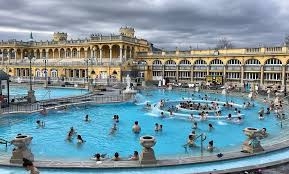
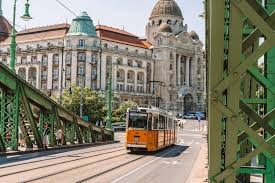
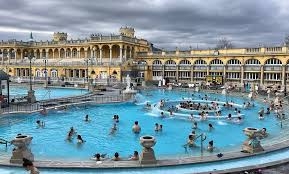
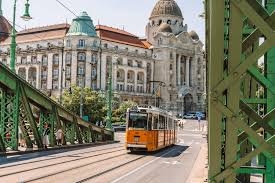
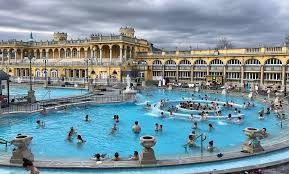
The city has a rich historical past, dating back to Roman times, and with the unification of Buda, Pest and Óbuda in 1873 it became the vibrant metropolis we know today. Budapest is famous worldwide for its thermal baths, such as Széchenyi, Gellért or Rudas, which are built on thermal water springs under the city. In addition, the Hungarian wine culture - especially the wines of Tokaj, Eger and Villány - and gastronomy, from goulash to fine dining restaurants, also add to the city's appeal. The vibrant nightlife, ruin pubs, bars and cultural festivals keep the city lively all year round.
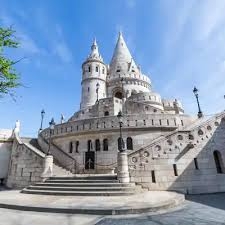
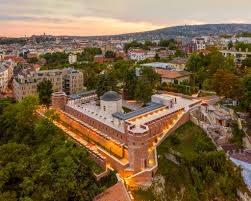
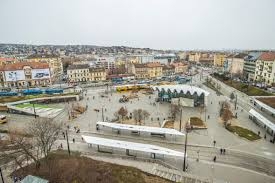
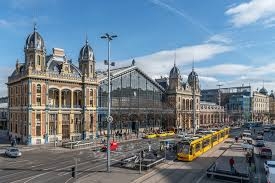
A brief introduction to the sights:
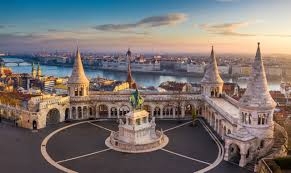
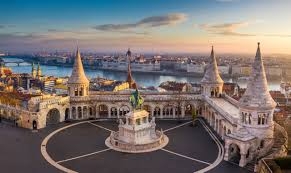
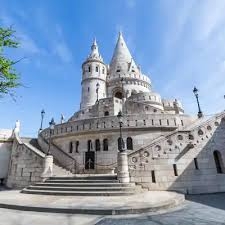
- Buda Castle – A historic quarter towering over the Danube, home to the Royal Palace and the Fisherman’s Bastion, with a magnificent panorama.
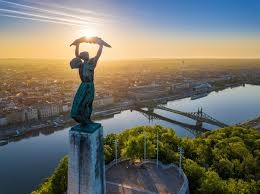
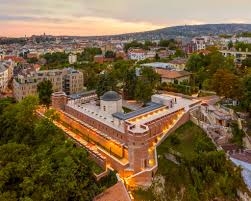
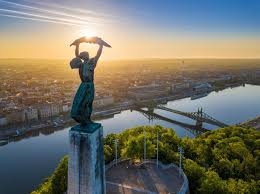
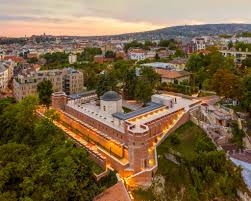
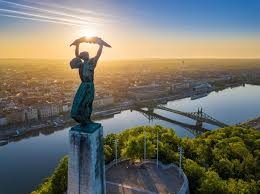
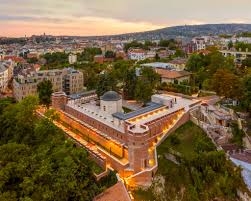
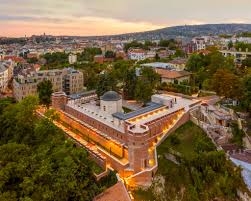
- Citadel – A fortress on top of Gellért Hill, from which the most beautiful view of the capital opens.
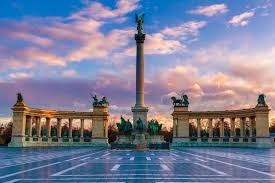
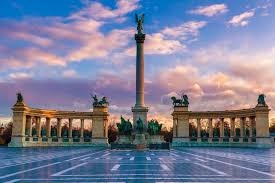
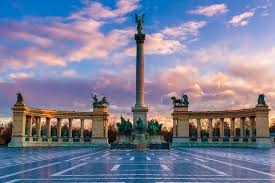
- Heroes’ Square – A monumental square commemorating the heroes of Hungarian history, with the Millennium Monument.
- St. Stephen’s Basilica – The largest Catholic church in Budapest, housing the relics of King St. Stephen.
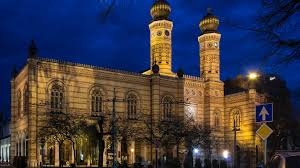
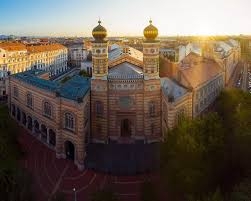
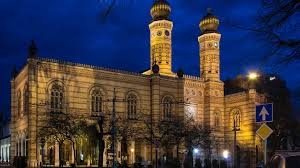
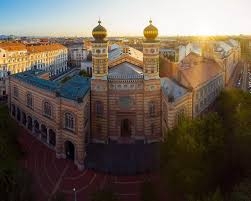
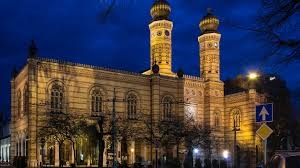
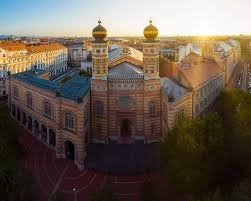
- Dohány Street Synagogue – The largest synagogue in Europe and the second largest in the world, an architectural masterpiece.
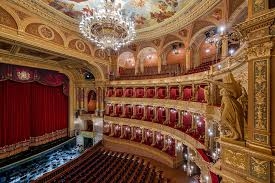
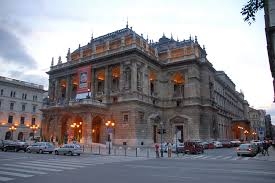
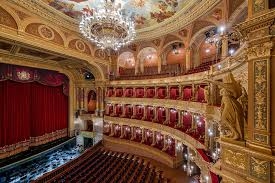
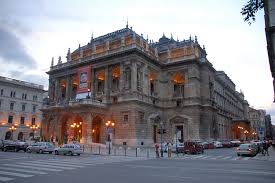
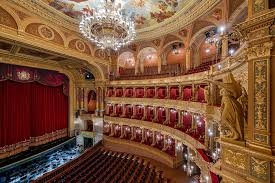
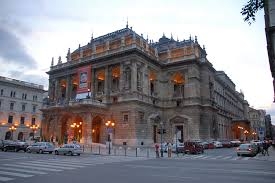
- Hungarian State Opera House – A neo-Renaissance jewel box on Andrássy Avenue, famous for its excellent acoustics.
- Parliament – An imposing neo-Gothic building on the banks of the Danube, the main symbol of the Nation.
- Vörösmarty Square – The heart of the city centre, home to cafes, shops and the famous Christmas market.
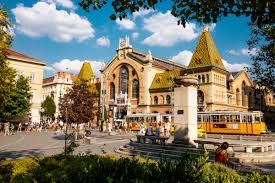
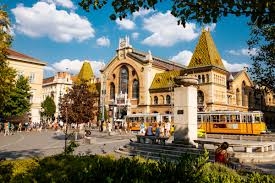
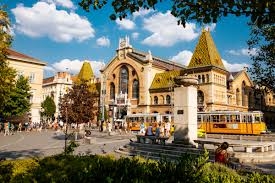
- Great Market Hall – A colourful market, a cavalcade of fresh food and Hungarian delicacies.
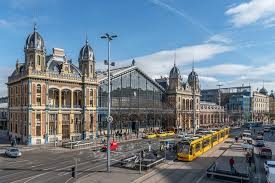
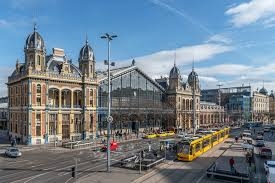
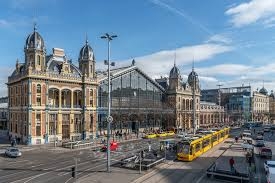
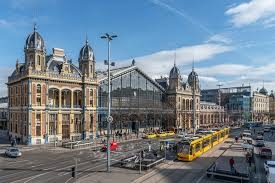
- Nyugati Pályaudvar – A train station designed by Eiffel, a gem of 19th century industrial architecture.
- Gül Baba’s Mausoleum – A 16th century Ottoman tomb and peaceful garden, one of the most peaceful spots in the city.
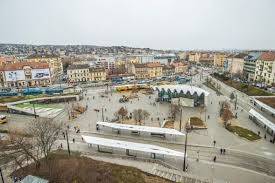
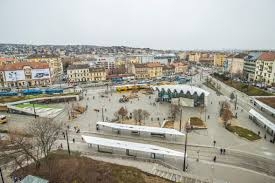
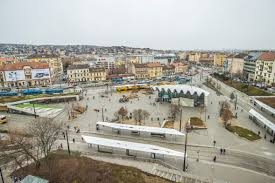
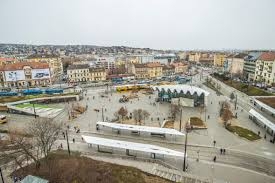
- Széll Kálmán Square – Buda’s transport hub, a modern city square for meetings and everyday life.
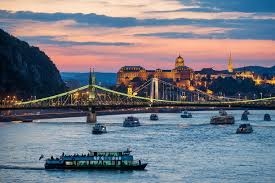
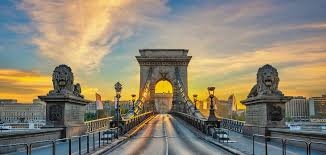
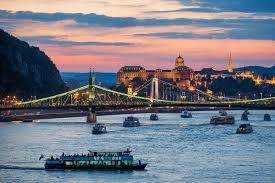
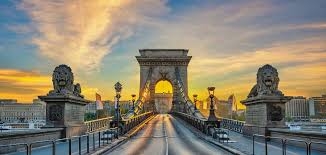
The charm of Budapest lies in its combination of history and modernity: it preserves the memories of the past and is open to the future. Situated on both banks of the Danube, the city is elegant and cultural by day, and vibrant and lively by night – offering an unforgettable experience for every traveler.