Welcome to Hungary!
Discover Hungary, a captivating country rich in history, culture, and natural beauty, offering unforgettable experiences for visitors. From the bustling capital of Budapest to the picturesque countryside, there is something for every traveler.
General Information
- Area: 93 036 km2 (squared km2).
- Capital: Budapest, nearly 20 percent of the country's population lives here.
- Official language: Hungarian.
- Currency: Hungarian Forint (Ft, HUF).
- Form of government: Republic.
- Population: Nearly 10 million people.
- Public safety: Balanced.
Main Attractions and Experiences
Budapest, the Pearl of the Danube
The capital city captivates with its unique venues and programs, culinary offerings, and renewed tourist image. Walk along the Danube Promenade, admire the Parliament building, or explore Buda Castle and the Fisherman's Bastion. The city's thermal baths, such as Széchenyi or Gellért baths, are world-famous.
Natural Treasures and the Countryside
Hungary is also rich in natural attractions:
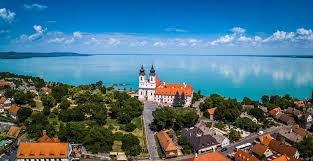
- Lake Balaton: The "Hungarian sea" is the perfect location for sailing, bathing, and exploring the surrounding wine regions.
- Hortobágy National Park: Part of the UNESCO World Heritage, Europe's largest contiguous grassy plain (puszta), where puszta life and traditional animal husbandry can be experienced.
- Aggtelek National Park: Its huge stalactite cave system is unique, although certain parts are accessible only to a limited number of tourists.
- Szalajka Valley: A magical hiking destination with the Fátyol Waterfall and trout ponds.
History and Culture
The country's historical past comes alive in castles, palaces, and museums. Hungarian culture, folk art, and gastronomy (goulash soup, lángos, chimney cake) provide a genuine experience.Historical Heritage
Hungary's history has been shaped by significant events and personalities, from the age of Prince Árpád to the dualist monarchy. The most important events in Hungarian history are also presented in exhibitions at the Hungarian National Museum.
- Hungarian Conquest and State Foundation: The Hungarians arrived in the Carpathian Basin at the end of the 9th century. The state was founded by King Saint Stephen in 1000 with the adoption of Christianity, which tied the country closely to the Western cultural sphere.
- Turkish Occupation and Habsburg Rule: After the Battle of Mohács, the country was split into three parts; a significant portion was occupied by the Ottoman Empire, while the western and northern areas fell under Habsburg rule. This period is preserved by numerous castles and fortresses, such as the Rákóczi Castle in Sárospatak.
- 1848/49 Revolution and War of Independence: A significant national holiday and historical event, in memory of which the National Gallery often offers free entry on March 15th.
- 20th Century History: The country's history was also profoundly defined by the two world wars, the Treaty of Trianon, the decades of communism, and the events of the 1956 Revolution and War of Independence.
Cultural Richness
Hungarian culture is showcased in ethnography, gastronomy, and the arts alike.
- Folk Art: Hungarian folk art is characterized by Matyó embroidery, folk music, folk dance (e.g., the "táncház" method, which is part of the intangible cultural heritage), and ceramics. The Szentendre Skanzen (Open-Air Ethnographic Museum) provides an excellent opportunity to explore traditional folk architecture and lifestyle.
- Gastronomy: Hungarian cuisine boasts a unique and distinctive flavor profile, a defining part of our culture.
- Goulash Soup (Gulyásleves): One of the most popular dishes in Hungarian cuisine, the subject of many gastronomic festivals.
- Lángos, Stuffed Peppers (töltött paprika), Stew (pörkölt): Other unmissable dishes that reflect Hungarian flavors.
- Dobos-torta: Famous cake that was already popular during the Austro-Hungarian Empire.
- Pálinka: A typical Hungarian spirit made from fruit.
- Museums and arts: The country is full of museums, galleries, and historical monuments. During the "Night of Museums" event series, numerous institutions offer special programs. Fine art, opera (e.g., Traviata broadcast from the Royal Opera House at the House of Music, Hungary), and classical music also play a significant role in cultural life.
- Hollókő: The Old Village and its surroundings are a UNESCO World Heritage site, where folk traditions and everyday life go hand in hand.
- Tokaj-hegyalja historic wine region: A unique wine region with a one-of-a-kind microclimate, which is also part of the Hungarikums (Hungarian national values).
Exploring Hungarian history and culture is a real journey through time, spanning from the time of the Hungarian conquest to modern art.